Pain management clinic
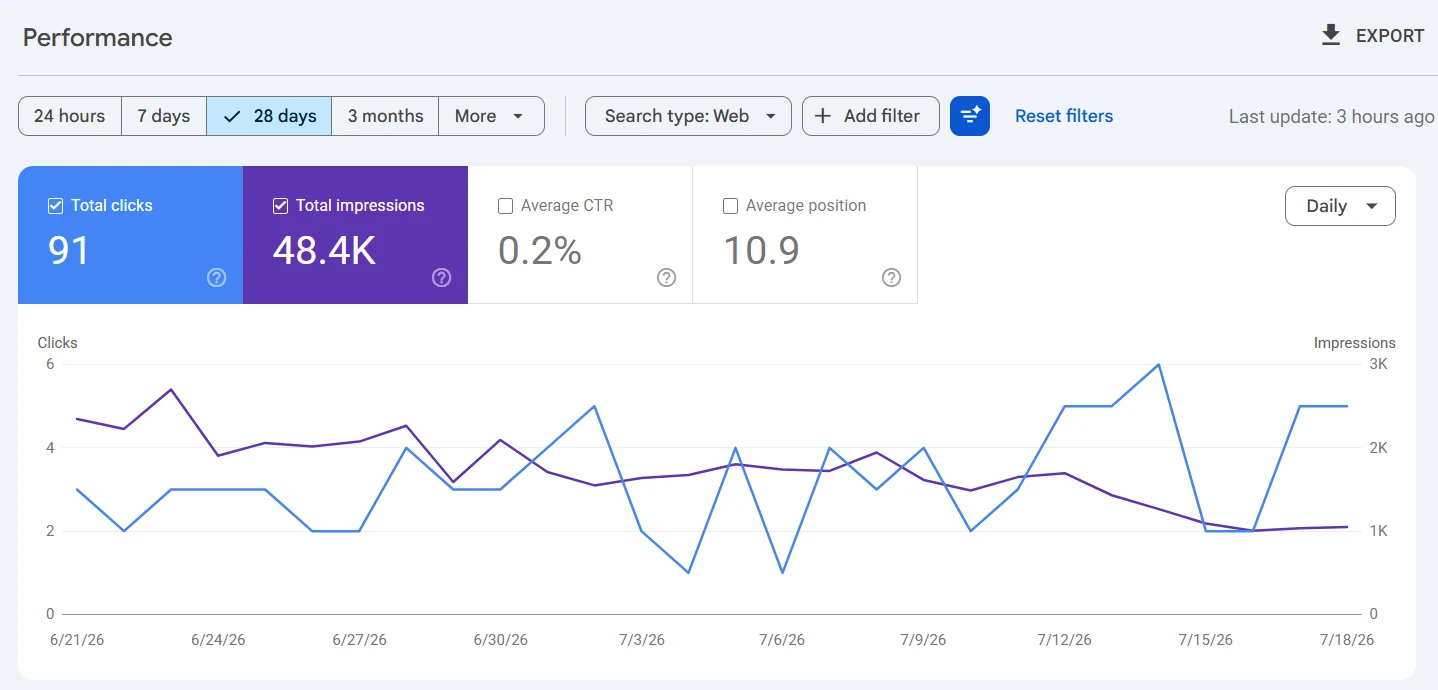
48.4K impressions in 28 days at an average position of 10.9.
Pain Management Patients Search for Months. Be the Practice They Find.
Chronic pain patients research for months and read everything before they call. We build the pages that answer them and rank you.
Get your free auditNo cost, no obligation, no lock-in contract.
What it is
Pain management SEO is the work of making a pain practice findable when someone searches for relief, from pain management doctor near me to a specific search like radiofrequency ablation for back pain. It covers your Google Business Profile, a page for each procedure you perform and each condition you treat, your accident and work comp intake, and the structure that gets your practice named in the AI answers chronic pain patients read.
Recent results
Real Search Console and Bing screenshots. Practice names stay private, the numbers are untouched.
48.4K impressions in 28 days at an average position of 10.9.
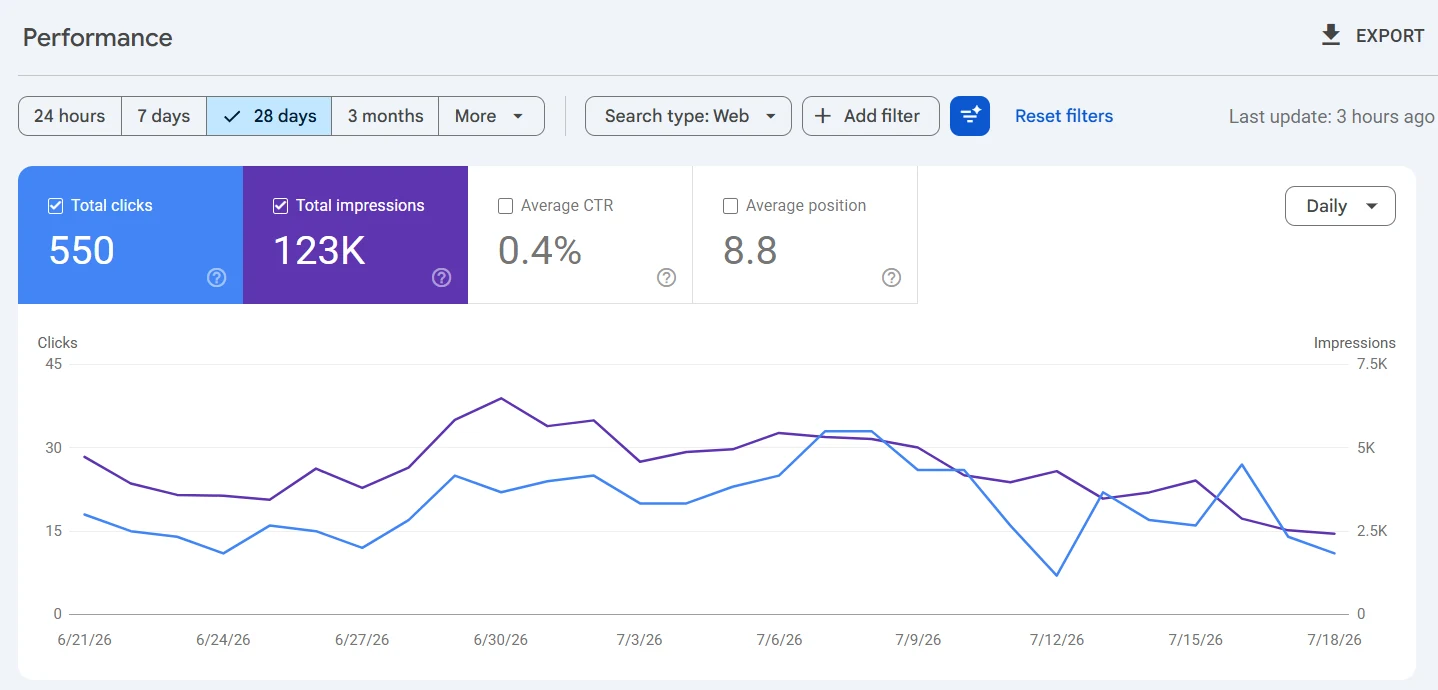
123K impressions and 550 clicks in 28 days, at an average position of 8.8.
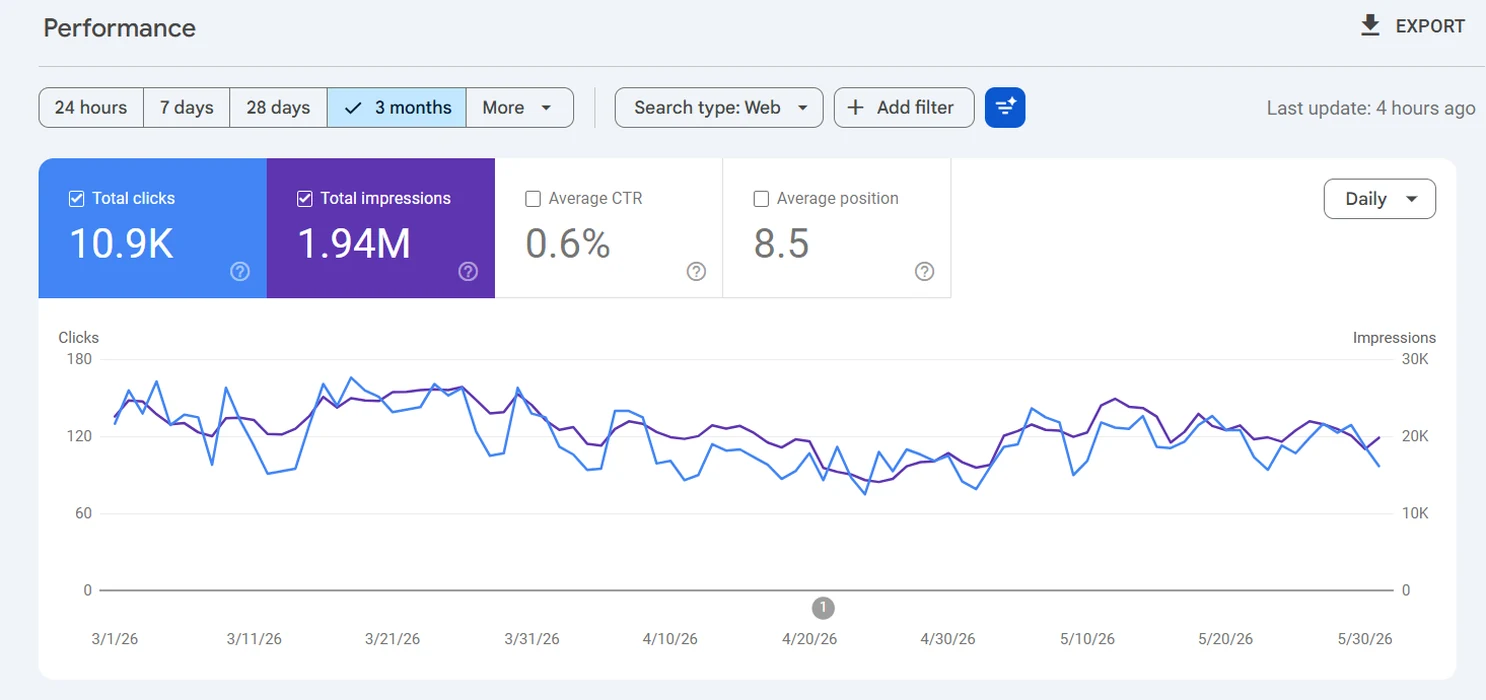
1.94M impressions and 10.9K clicks in 3 months, holding an average position of 8.5.
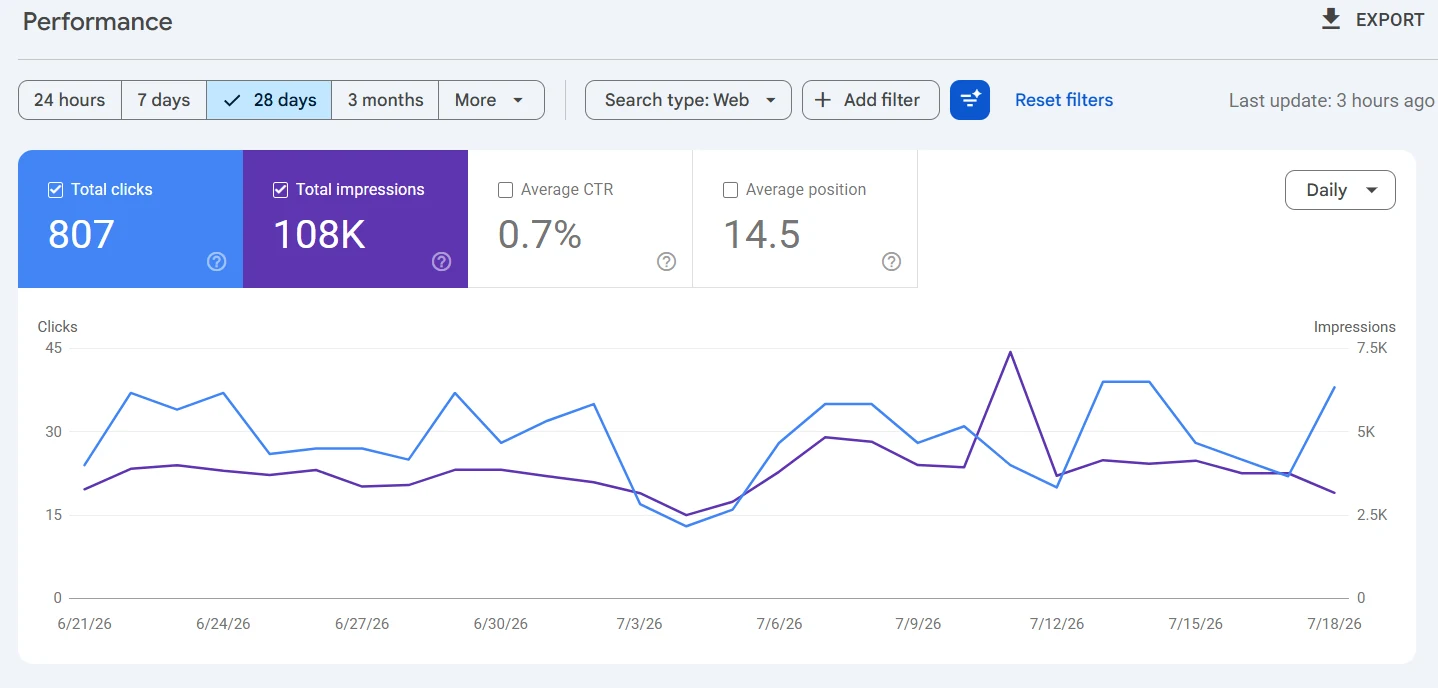
108K impressions and 807 clicks in 28 days, at an average position of 14.5.
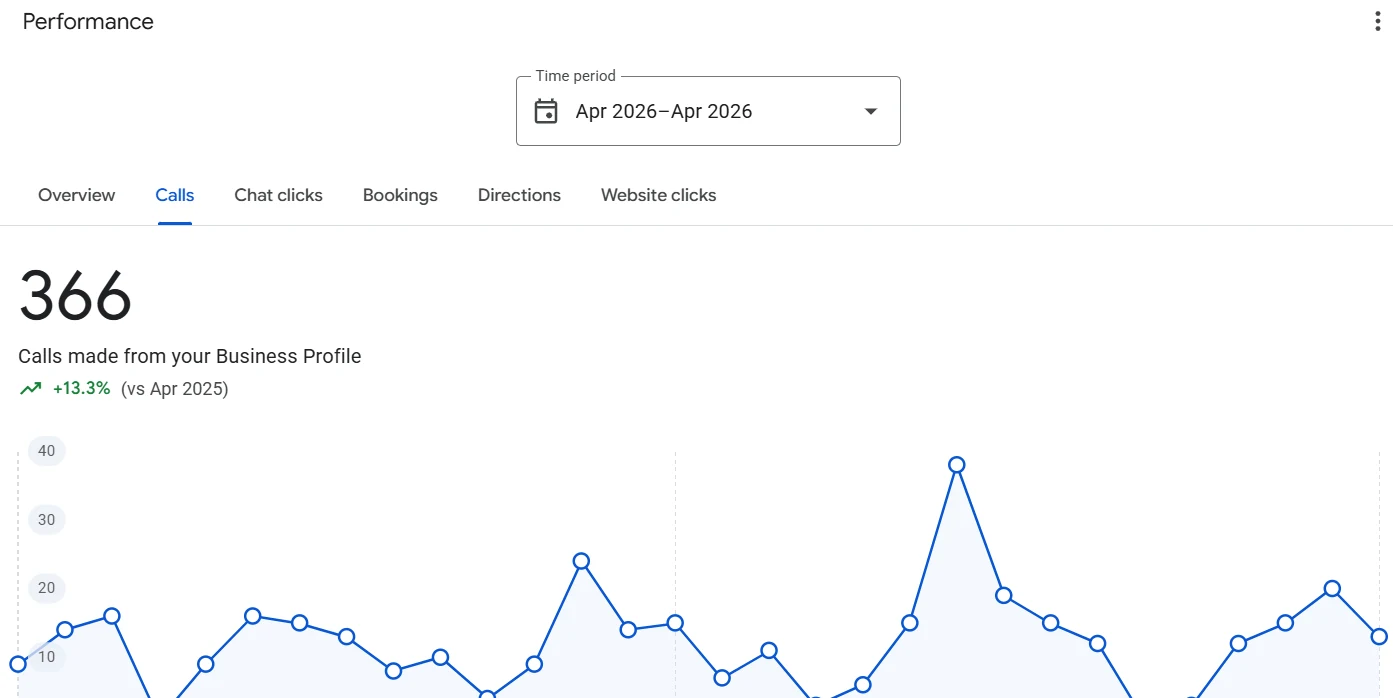
366 calls straight from the Business Profile in one month, up 13.3% year on year.
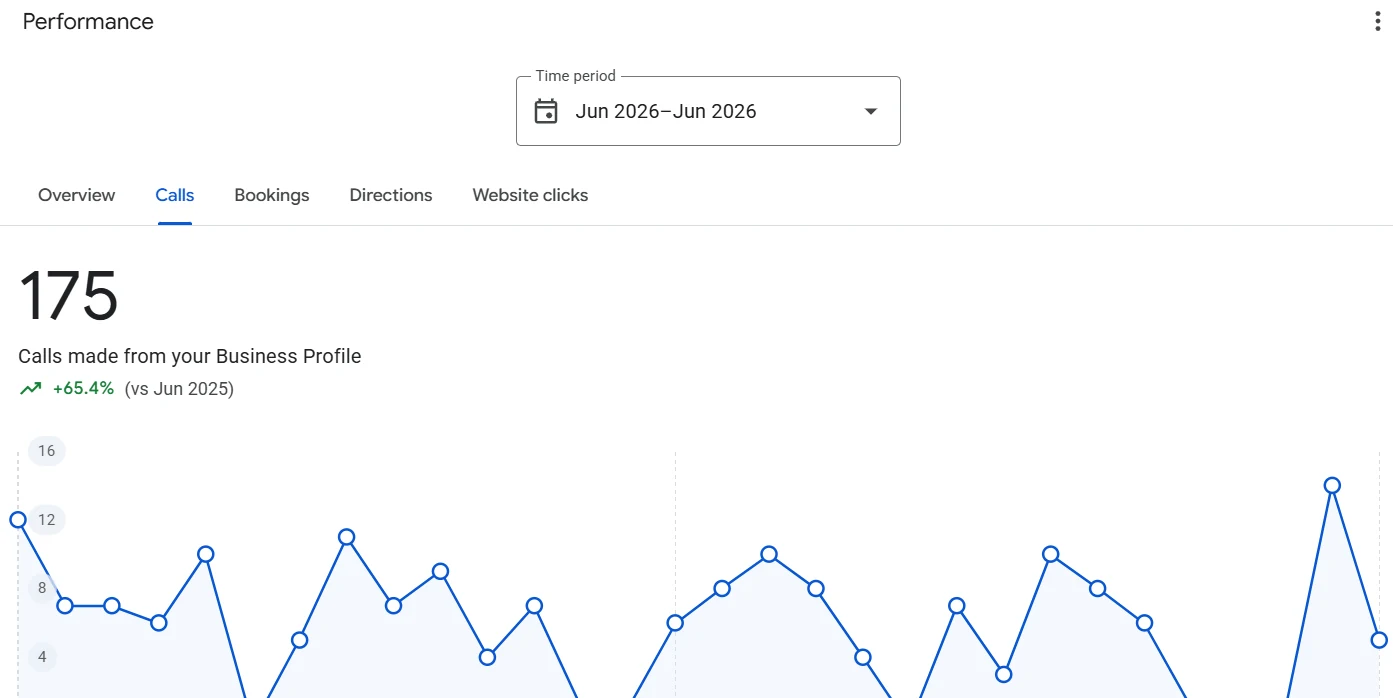
175 calls straight from the Business Profile in one month, up 65.4% year on year.
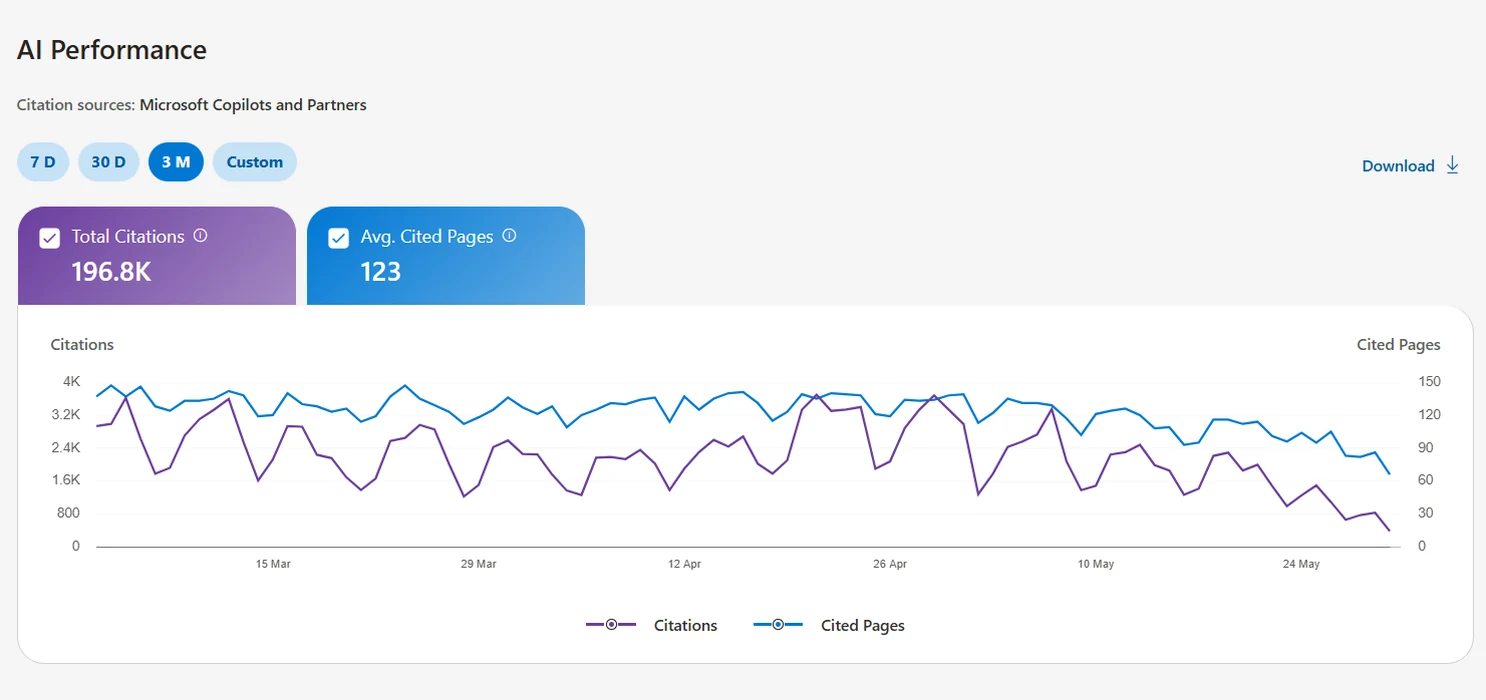
196.8K AI citations across 123 pages, surfaced and cited by AI assistants.
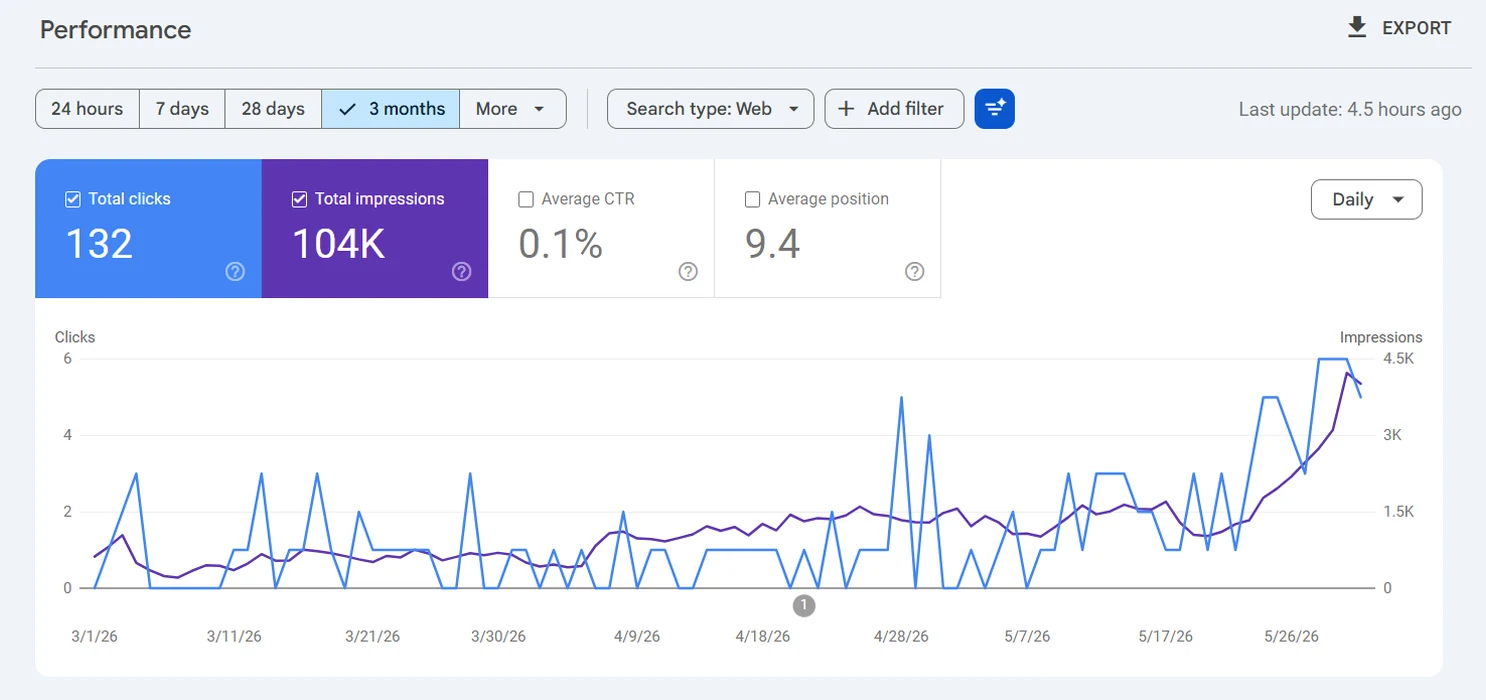
A brand new website to 104K impressions in its first 3 months, and still climbing.
48.4K impressions in 28 days at an average position of 10.9.
123K impressions and 550 clicks in 28 days, at an average position of 8.8.
1.94M impressions and 10.9K clicks in 3 months, holding an average position of 8.5.
108K impressions and 807 clicks in 28 days, at an average position of 14.5.
366 calls straight from the Business Profile in one month, up 13.3% year on year.
175 calls straight from the Business Profile in one month, up 65.4% year on year.
196.8K AI citations across 123 pages, surfaced and cited by AI assistants.
A brand new website to 104K impressions in its first 3 months, and still climbing.
Most pain practices publish a Services page listing every injection they offer and stop there. That page catches neither patient. It is too thin for someone comparing radiofrequency ablation against a spinal cord stimulator, and it says nothing to the person who was rear-ended on Friday. It also does nothing to filter the call your front desk dreads, from someone looking for a prescription rather than a treatment, which pages that state plainly what you do and do not do will handle before the phone rings.

What we do
Meet the founder
I’m Ashikur Rahman. I’ve spent the better part of a decade in SEO, most recently as Partner and SEO Manager at Doctor Rank, a medical and legal SEO agency I helped found. Every plan, every strategy and every client win there ran through me and my team. Proximity Ranker is the next step, my own practice, built the way I’ve always believed this work should be done.
I keep it small on purpose. I stay selective about who I sign and cap how many clients I take on, so nobody ends up with a template pulled from a drawer. I build your strategy around your specialty, your city and your goals. My own background is in law, an LL.B and an LL.M, and that turns out to be a real edge in YMYL niches like medicine and law, where Google and AI reward genuine expertise and trust.
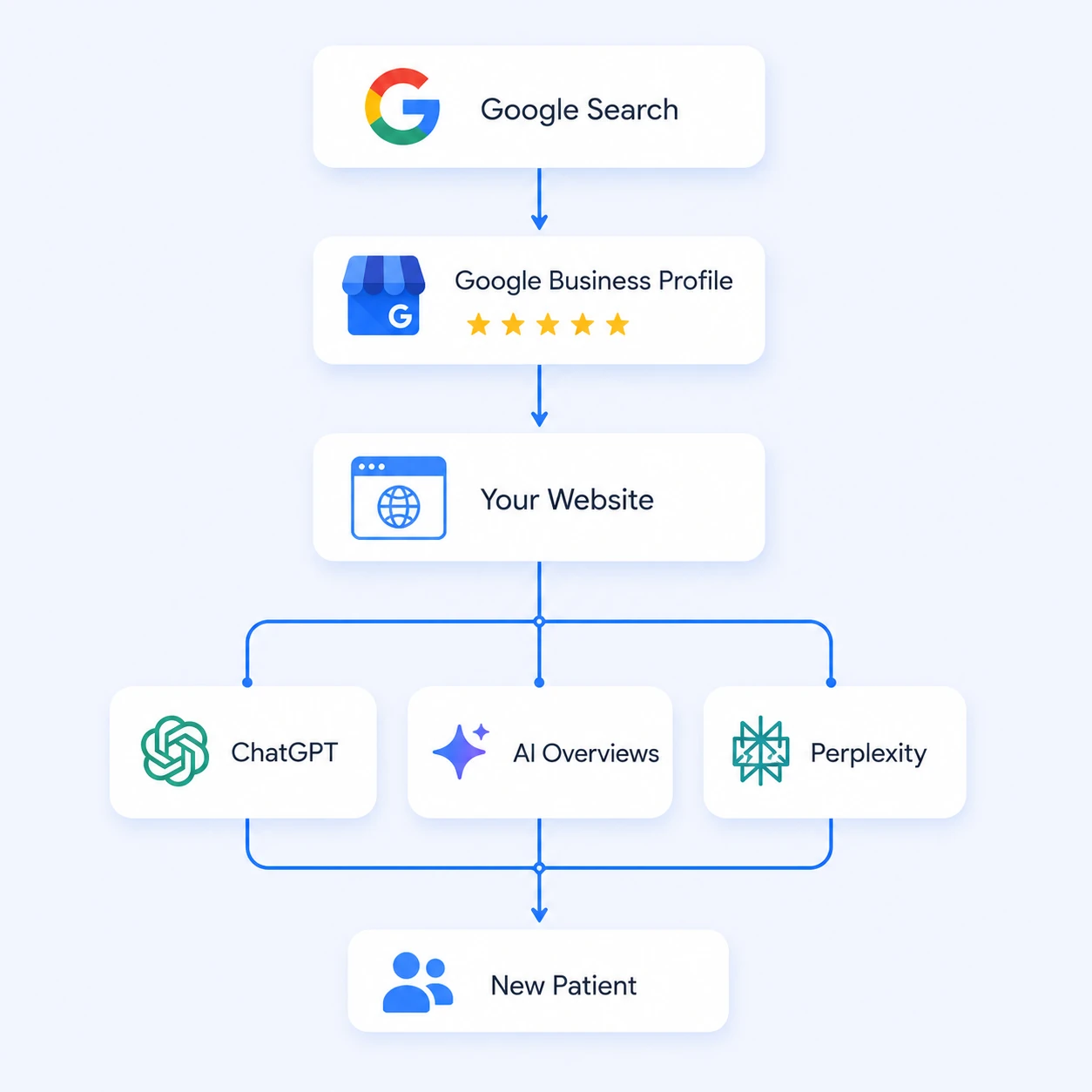
Hire Proximity Ranker and you work with me, not an account manager. I am not reviewing someone else’s work, I am doing it. The audit, the technical fixes, the content plan, the schema and the AI search work are mine. My team handles the off-page side and your reporting. Search has moved past ten blue links. Your next clients are already asking Google AI Overviews, ChatGPT and Perplexity who to trust, and earning a place inside those answers is the work I care about most.
Book a call and you talk to me directly, not an account manager.

How it runs
No lock-in contract. If the referrals and consults are not coming you can leave, and that is the only promise about results worth making before we have seen your site.
Where you rank now, what traffic you are getting, which technical issues are holding the site back, and how you compare against the hospital spine centres and ortho groups taking your patients. It comes back as a prioritised list, worst problems first. No charge and no obligation.
The heavy month. Design work where the site needs it, a page written for every procedure and condition you treat that does not have one yet, schema for the practice and each physician, and your Google Business Profile rebuilt from the categories up.
The foundation is built, so now we make the site quotable. We structure your answers so ChatGPT, AI Overviews and Perplexity can lift them cleanly, and we get your practice named the same way everywhere an engine might look.
This is usually when the earlier months turn into numbers you can see: map pack positions, calls and direction requests on each profile, impressions on the site, and your name appearing inside AI answers. We report on all four.
Because pain management is one of the most expensive auctions in medicine, and the moment you stop paying you disappear. Ads and SEO answer the same searches, but one is rent and the other is an asset. Most practices we work with keep running ads on the urgent accident terms, where speed matters, and shift the long research terms to organic, where the click costs nothing and the page keeps earning.
Yes, and it is one of the more useful things SEO does here. Those calls happen because your website never says what you actually do. Pages that lead with interventional procedures, state your approach to medication plainly, and describe what a first visit involves will lose you those calls before they reach the front desk. You will see total call volume dip and booked consultations rise.
Usually not on the broadest terms, and you should not spend your budget trying. A hospital domain carries authority you cannot buy. What it cannot do is publish a genuinely good page on one procedure and keep it current, because that content has to clear a committee. A real page on radiofrequency ablation in your city can outrank all of them for that search, and enough of those pages will out-earn one fight you were never going to win.
They are usually the fastest wins on the whole site. Someone hurt in a car accident searches differently from a chronic pain patient, they search within days, and almost nobody in the niche builds pages for it. Those pages also give referring attorneys somewhere to send clients that is not your homepage, which tends to help the referral relationship as much as the ranking.
More, and they are easier to get than most specialties expect. Someone whose back pain dropped from an eight to a two after an ablation is usually glad to say so. The timing is what practices get wrong. Asking at check-out, before anyone knows whether the procedure worked, gets you thin reviews. Asking two weeks later gets you specific ones, which are the ones that convert.
Local and Google Business Profile improvements often move within the first month or two, and accident searches respond early because intent is high. Competitive procedure terms take longer, usually four to six months before the trend is clear. Any agency promising page one in thirty days is either targeting terms nobody searches or is not being straight with you.
It is almost never for lack of effort. Most clinics complete the profile, collect reviews and still sit outside the top three, because the map pack runs on signals owners rarely touch: the right primary category, a profile that matches the site, one consistent name and address across the health directories, and review activity that keeps arriving. We work out which of those is holding you back and fix them in order, since the top three listings take roughly three of every four local clicks.
By making your clinic the easiest one for an engine to cite. One unambiguous identity repeated everywhere, a real page for each procedure you perform with the city in the heading, named physicians with credentials, and answers structured so a model can lift them cleanly. ChatGPT pulls only a few sources per answer and favours clear, credentialed pages, and cited clinics earn far more clicks than the ones left out. We build for that and check your top patient questions in the engines every month.
No. There is no lock-in and you can leave whenever you want. We would rather earn the next month than hold you to a year of it, and a clinic that stays because consults are booking is worth more to us than one tied to paperwork.
We draft it and you review it. Nothing clinical goes live on a pain practice's site without a physician signing off. It is your license and your patients, so the final read is always yours.
Where you rank today, what traffic the site is actually pulling, the technical faults slowing it down, and a full SEO audit ordered by what will move first. Back inside 24 to 48 hours, at no cost and with no obligation.
Free audit
Rankings, traffic, the technical issues on your site and a full SEO audit. Back with you in 24 to 48 hours, at no cost.
Get your free auditNo cost, no obligation, no lock-in contract.