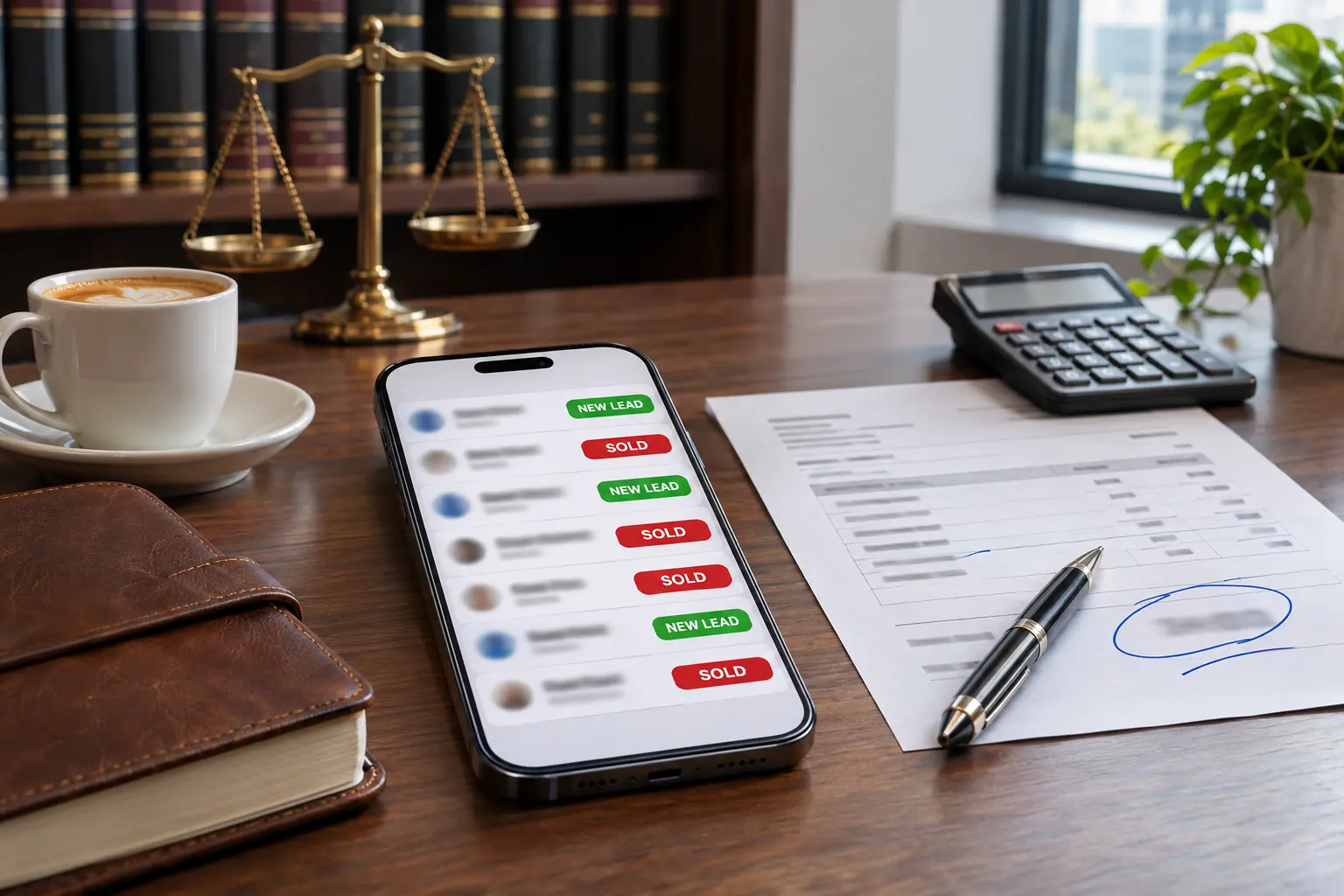
Short answer: a law firm needs an answering service if new clients call when nobody is free to pick up, and most firms have that problem without knowing it. When Clio secret-shopped 500 US law firms for its 2024 Legal Trends Report, only about 40% answered the phone for a prospective client. People with a legal problem rarely wait for a callback. They call the next firm on the list. An answering service, a virtual receptionist or an AI receptionist can close that gap, but only if it's set up around your intake, and only after you've measured how many calls you actually miss.
I'm Ashikur Rahman, the founder of Proximity Ranker. My work is making law firms easier to find on Google and in AI search, so I see what happens after the search: the call. I hold an LL.B and an LL.M, I've worked in SEO since 2017, and I was SEO Manager at Doctor Rank before starting the agency. For one Queens injury firm, calls from its Google Business Profile (GMB) reached 70 in June 2026, up 25% on the year before (the dashboard is on my case studies page). Every one of those calls is only worth something if someone answers it. What follows is about marketing and intake, not legal advice.
What is legal intake, and where do law firms lose callers?
Legal intake is everything that happens between a prospective client's first contact and a signed engagement: answering the call or form, collecting the basic facts, checking for conflicts, booking the consultation and following up. At a small firm it's often split between a receptionist, a paralegal and the lawyer. Larger firms hire a legal intake specialist whose whole job is this first conversation.
Callers fall out of that process at predictable points:
- The phone rings out at lunch, during a hearing or while the only person at the front desk is on another line.
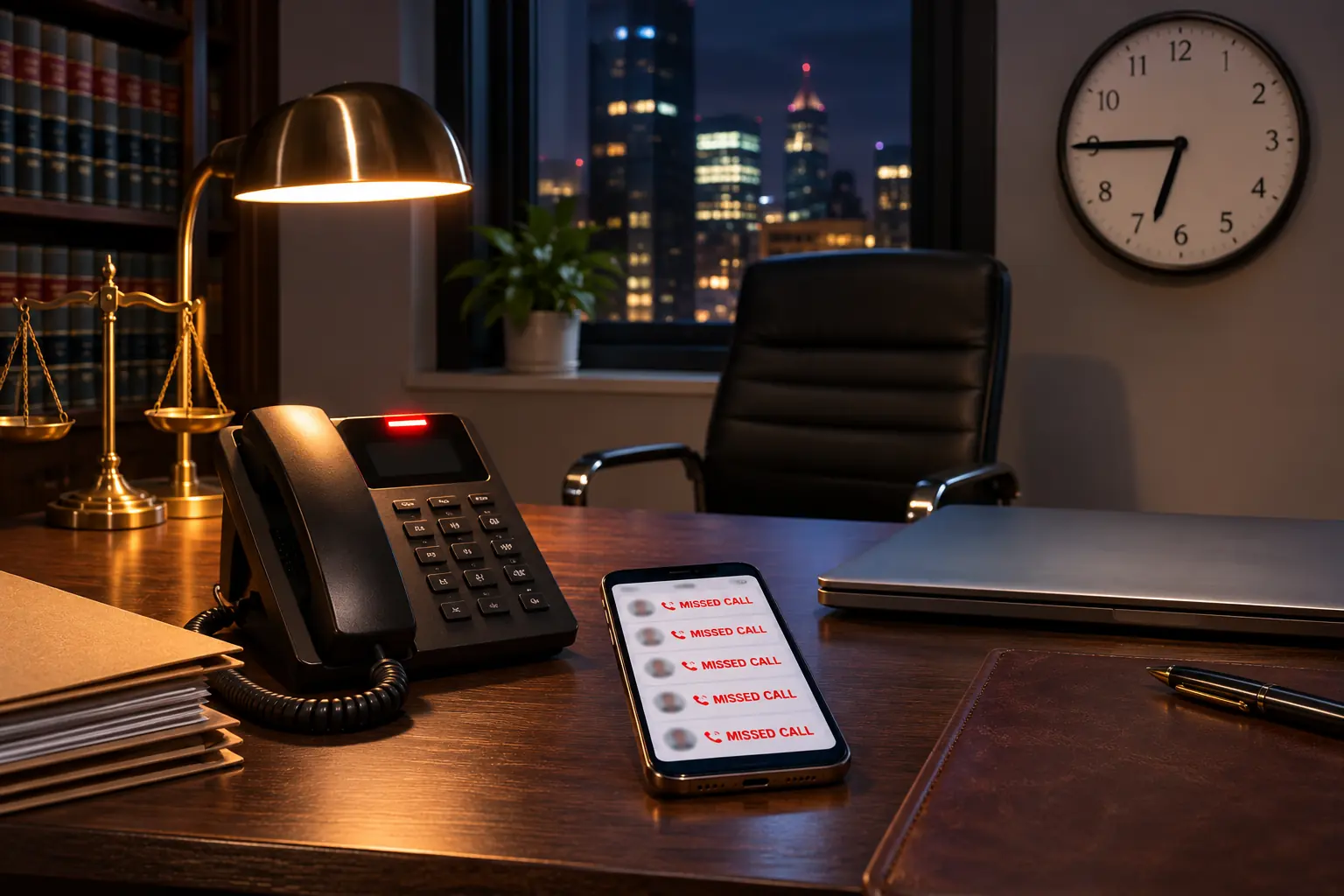
- The call goes to voicemail after hours or on a weekend, which is when many accidents, arrests and family emergencies happen.
- A message is taken but nobody calls back the same day.
- A web form lands in an inbox nobody checks often, or in a spam folder.
- The person who answers can't say whether the firm takes the case, so the caller keeps looking.
How many calls go unanswered at a typical law firm?
In Clio's 2024 Legal Trends Report, more than half: about 60% of the law firms it called as a new client didn't pick up. Secret shoppers posing as prospective clients called 500 US firms, and only about 40% answered. In the same study, 33% of firms answered an email inquiry. Five years earlier, Clio's 2019 test found that 56% of firms answered the phone, so the problem has grown, not shrunk.
Studies of real call logs show lower but still costly numbers. One legal marketing agency reviewed 6,801 calls from its clients' paid search campaigns and found about 13.5% were missed. Your own rate depends on staffing, hours and how many calls arrive at once. The only way to know it is to look at your phone system's call log, or at call tracking if your firm uses it, and count calls that weren't answered or returned within an hour.
Then put a value on them. If a firm misses 20 new-client calls a month and would normally sign one in five, that's four lost clients a month before anyone has looked at the website or the ads.
What does an answering service for lawyers handle, and what can't it?
An answering service for lawyers answers in your firm's name when your team can't. A good legal answering service, sometimes called a legal intake answering service, does more than take a message. Depending on the plan and the script you give it, it can:
- Answer around the clock, including evenings, weekends and holidays.
- Ask your screening questions: type of case, date of the incident, location, how the person found you.
- Collect names of other parties so your firm can run a conflict check.
- Book consultations straight into your calendar.
- Send each call summary to the right person by text or email, flagging urgent ones.
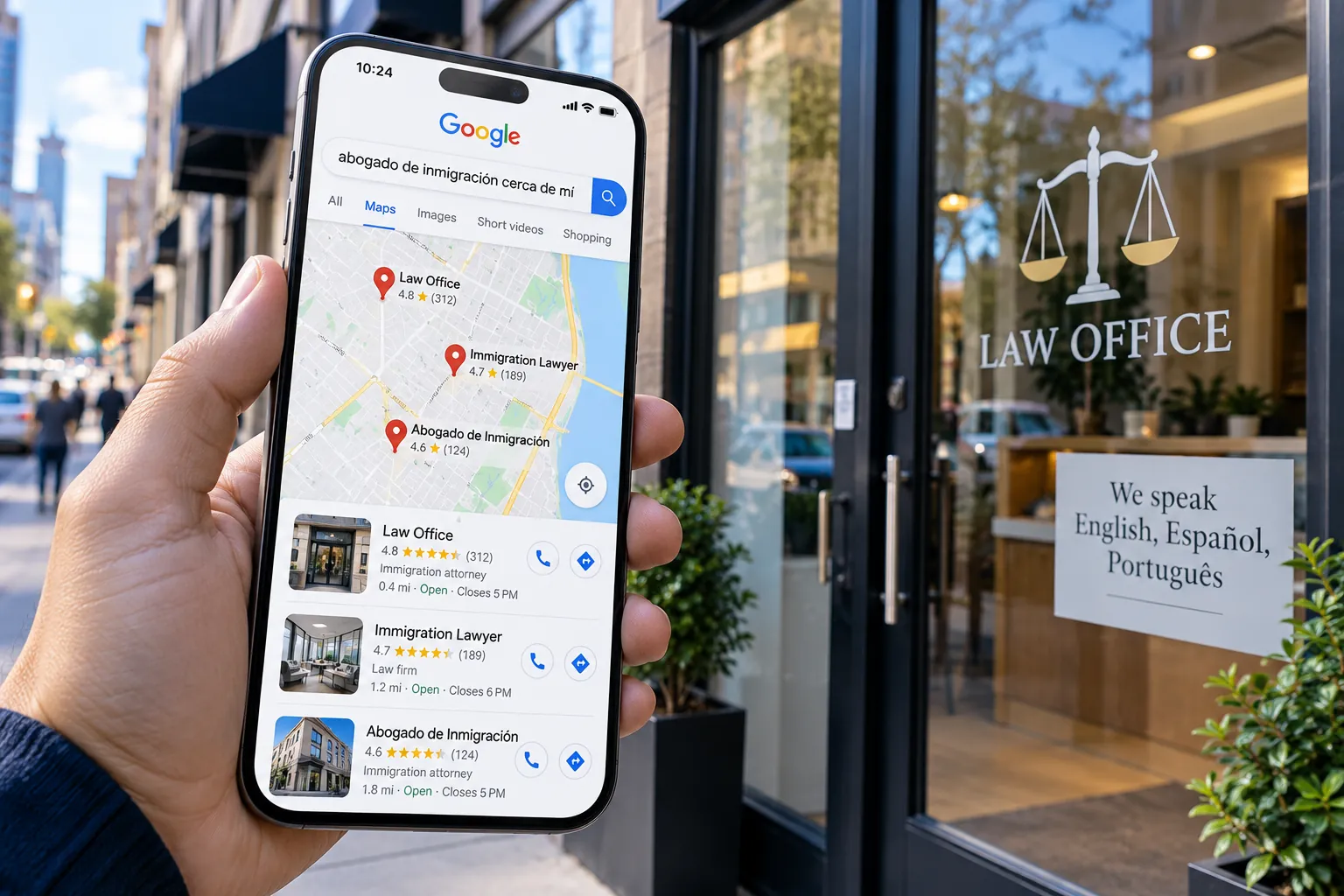
- Answer in Spanish or another language your clients speak.
What it can't do matters just as much. Receptionists outside your firm can't tell a caller whether they have a case, can't quote what it's worth and can't sign anyone. They should never give legal advice, so the script has to tell them exactly what to say when a caller asks. The service fills the gap between the call and your team. It doesn't replace the consultation, and if your firm still calls back two days later, the service has only moved the delay.
Answering service, virtual receptionist or AI receptionist: which fits a small firm?
It depends on how much the person answering has to handle. A basic answering service takes messages, a virtual receptionist runs your intake script, and an AI receptionist handles routine screening and booking at the lowest price. Providers use the names loosely, and you'll also see the same service sold as an attorney answering service or a legal answering service. In practice they differ like this:
- A traditional answering service uses shared operators who follow a script and take messages. It's usually the cheapest human option and the most basic.
- A virtual receptionist service uses trained receptionists who can transfer calls, book appointments and run a fuller intake script, often with a smaller team who learn your firm.
- An AI receptionist is software that answers, asks the screening questions and books appointments. Many providers now mix AI with human backup for calls the software can't handle.
Billing follows the same split. Comparison articles published in 2026 list AI-only plans from roughly $95 to $150 a month for a set number of calls, and human receptionist plans from about $235 to $300 a month for 30 to 50 calls or minutes, rising into the thousands for busy firms. Treat those as rough guides and get a quote for your own call volume, because per-minute and per-call plans can cost very different amounts for the same firm.
For a solo or small firm, the choice usually comes down to three questions. How many new-client calls arrive when nobody can answer? How complex is the screening for your practice? And how do your callers feel about talking to software? A criminal defense firm taking calls from families at 2 a.m. needs something different from an estate planning practice that books calm, planned consultations. If your firm uses AI for intake, check your bar or law society's guidance on AI and client confidentiality first.
Want to know how many calls your Google Business Profile and website could bring in each month?
Get the auditHow do you test your own intake the way a new client would?
Call your own firm as a stranger would, at the times new clients actually call, the way Clio's secret shoppers did. Ask a friend, or use a phone the team doesn't recognize, and contact your own firm as a prospective client. It takes ten minutes spread over a week:
- Call once at 12:30 p.m., once after 6 p.m. and once on a Saturday.
- Note whether a person answered, how many rings it took and whether the caller was told the next step.
- If it went to voicemail, leave a message and time how long the callback takes.
- Fill in the contact form on your website and time the reply.
- Search your firm's name on Google and tap the Call button in your Business Profile to check that it rings the right line.
Write the results down. Most firms find at least one gap they didn't know about: a voicemail box that's full, a form that sends to a former employee, or a Saturday that goes nowhere. Those are cheaper to fix than any answering service.
How do missed calls show up in your Google reviews and leads?
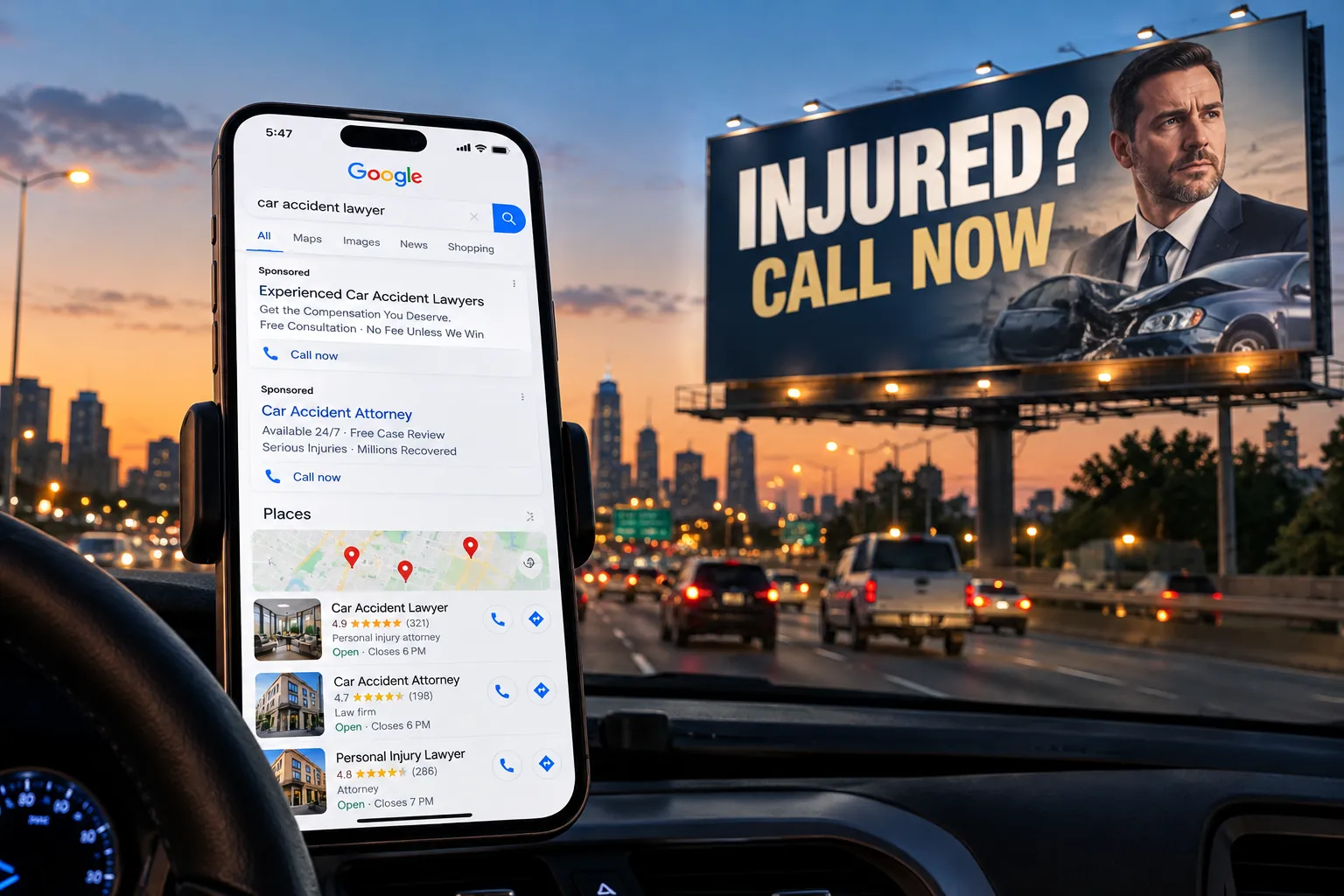
They show up as calls your Google Business Profile counts but your firm never turns into clients, and as reviews from people who say nobody called back. Missed calls waste the marketing that produced them. When someone finds your firm in the map pack and taps Call, that tap is counted in your Google Business Profile's performance report whether or not anyone answers. A firm can watch its calls grow from better SEO and still sign fewer clients, because the extra calls hit the same unanswered line. The same is true of Google Ads: every missed call is a click you paid for.
Unanswered callers also write reviews. "Never called me back" is one of the most common complaints in one-star reviews of law firms, and future clients read those reviews before they decide who to call. So fix intake before, or at the same time as, you spend more on getting found. If your website brings in visitors but few inquiries, the website leads guide walks through the checks on the site itself.
What does it cost to stop missing calls?
Anywhere from nothing to a few hundred dollars a month. The intake test is free, and an answering service or receptionist plan for a small firm typically runs from about a hundred to a few hundred dollars a month, going by the ranges above. I don't sell answering services, and I don't take a fee from any of them. My part is the calls themselves: the SEO plan costs $799 a month for the first five firms, and that rate never goes up while they stay. Firms that join later pay $1,199 a month. There's no long contract, and the audit, Google Ads management and negative review removal are included. Six months on the plan also brings a new website at no build cost. The audit can be bought on its own for $350 for one office or $550 for two. Full terms are on the pricing page.
What else do law firm owners ask?
01Should a solo lawyer use an answering service?
Usually, yes. A solo lawyer is in court, in meetings or with clients for much of the day, so a large share of new-client calls arrive when nobody can answer. Even a small plan that covers lunch, evenings and weekends catches calls that would otherwise go to the next firm.
02What should an answering service say when a caller asks for advice?
Give it a fixed line, such as: "I'm not able to advise on that, but I can book you a consultation with the lawyer, who can." Then book the consultation on the call. Review recordings or summaries in the first weeks to make sure the script is followed.
03Is an AI receptionist a good idea for a law firm?
It can be for routine screening and booking, especially after hours. Check how the provider stores call recordings and client details, test it yourself with difficult calls, and check your bar or law society's guidance on AI and confidentiality before you switch it on.
04Can an answering service take calls in Spanish?
Many can, and some offer other languages too. If a large share of your clients speak another language, ask for native speakers and test the service in that language before you sign up.
05How quickly should a firm return a message from a new client?
The same business day at the latest, and within the hour when you can. People with an urgent legal problem tend to call several firms, and the first one that calls back with a clear next step usually books the consultation.