
Family Law SEO
SEO for Family Law and Divorce Lawyers to Get More Clients, With Discretion
Divorce and custody clients research quietly, read every review and call one firm. I build the pages, profile and reviews that help your firm rank for those searches and feel safe to call, so you get more consultations.
- Divorce and custody map rankings
- A page per matter, no outcome claims
- Replies that never name the client
- A discreet way to make contact
- Approved by your attorneys
What is SEO for family law firms?
SEO for family law firms is the work of getting a divorce and family law practice found on Google, in the map pack and in AI answers when someone searches for a divorce or custody lawyer, while protecting client privacy in every page and review reply.
What does a family law firm see in its monthly SEO report?
Consultations by source, map rankings for divorce and custody searches, and what AI engines say about your firm. The four figures below come from my own law firm clients. They are injury accounts, so they sit here as numbers rather than as a forecast for your firm.
- An audit of the site, the Business Profile and the competition before any change
- Case-type content mapped to real search demand, one page per injury type
- Technical SEO cleanup across the whole site
- Internal links that send authority to the pages that sign cases
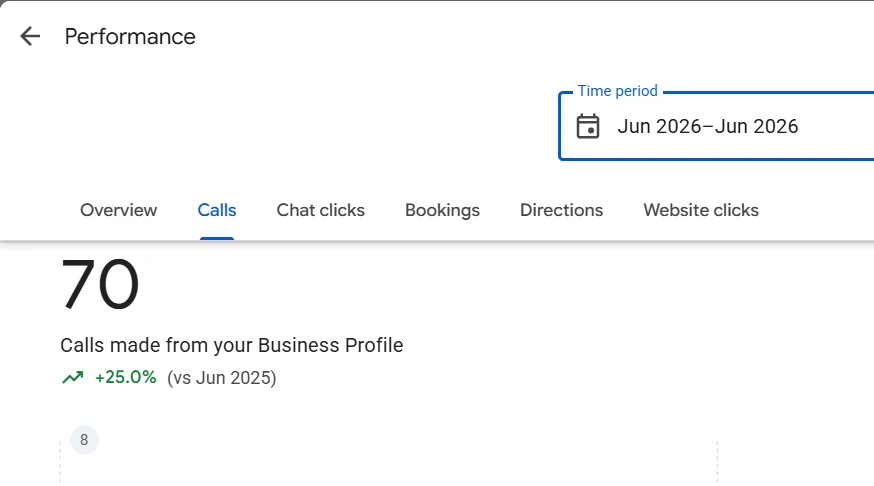
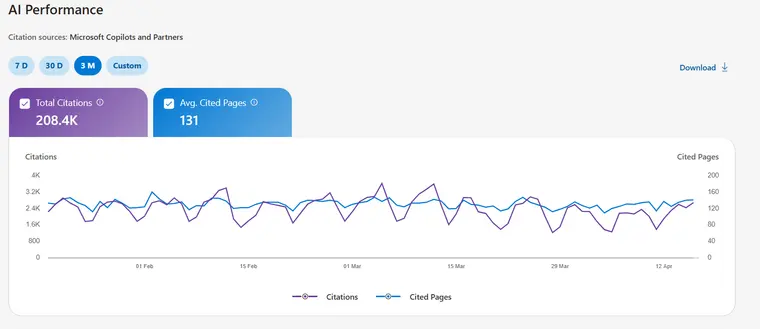
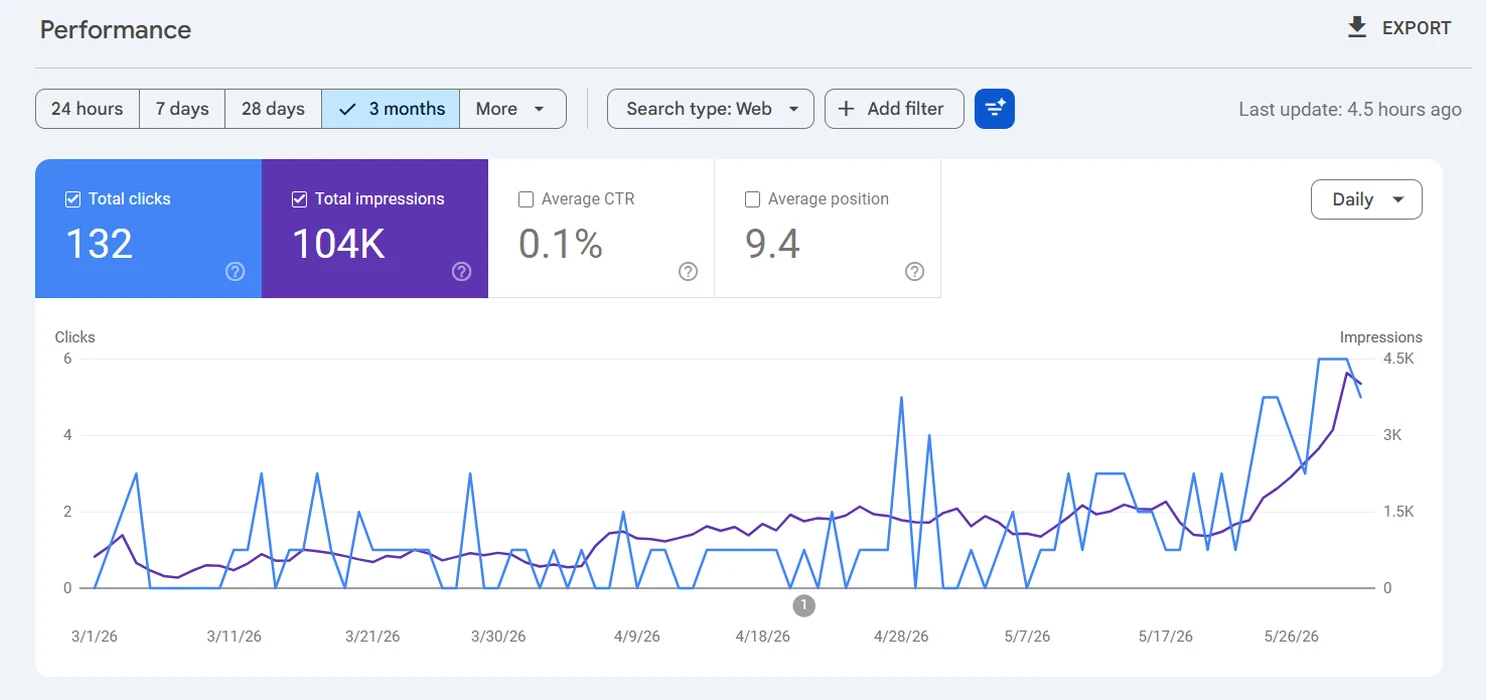
Read off the clients' own dashboards, not estimated. Tap any figure for the screenshot behind it.
How to read the screenshot
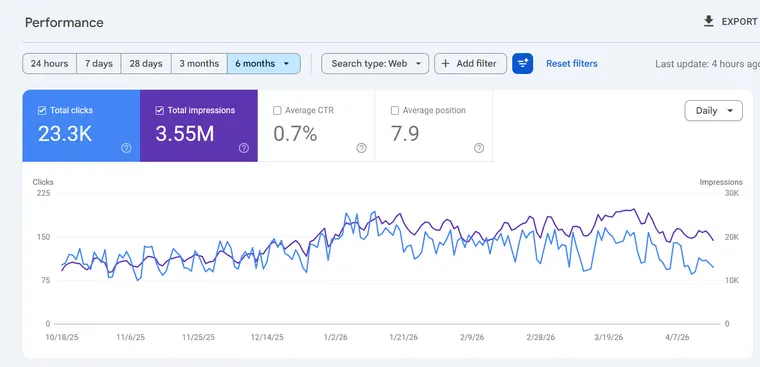
- Total clicks
- 23.3K people clicked through to the firm's site from Google search
- Total impressions
- 3.55M times the firm appeared in Google results
- Average position
- 7.9 across every search the firm appeared for, inside page one on average
- The lines
- Daily clicks (blue) climbed from about 100 in October to between 150 and 190 on the best days from January on
Which family law firms is SEO a good fit for?
SEO pays off most for a firm that wants the client who researched for weeks, not the one who called the first ad. Four signs that is your firm, and four signs it is not.
Book it if
- You handle divorce, custody, support or adoption in one metro and want the client who researched for weeks
- You want every review reply to protect the client and still reassure the next reader
- You want pages that explain the process without promising an outcome
- A partner will read a page and a set of replies within a few days of receiving them
Skip it if
- You are expecting a guaranteed map position or a guaranteed number of consultations
- You want to answer an angry ex-spouse in public with the facts of the case
- You want outcome claims on the pages that bar rules do not allow
- Drafts would wait weeks for a signature while the season for divorce filings passes
If the second list fits, tell me in the form and I will say what would actually help. For some firms that is rewriting twelve review replies, which takes an afternoon.
How do divorce and custody clients search for a lawyer?
Often in three steps, weeks apart: questions about the process late at night, a search for a lawyer once the decision is made, and a question to an AI engine because it feels more private than asking a friend. The audit shows which of the three you are losing today and which competitor is taking it.
- “divorce lawyer near me”
- “child custody attorney Phoenix”
- “family law attorney free consultation”
The map pack and the Business Profile, where the photos, the hours and the reviews are read as a character reference before anyone calls. A profile with stock photos of arguing couples, or a reply that argues back at a reviewer, loses the call before the website is ever opened.
Search screens are illustrations. The numbers are real results from client accounts, names withheld.
How is SEO for divorce lawyers different from other practices?
It is built around privacy: tone, discretion and what a review reply may say matter more for a family law firm than for any other practice. The client is deciding whether to trust you with something private, often from a shared phone.
Privacy decides the call
The client is often searching from a shared phone or a work computer. The site needs a calm tone, real attorneys rather than stock photos of arguments, a consultation path that feels discreet, and review replies that never confirm who the reviewer is or what happened. That is what makes a firm feel safe to call.
Process pages win the research
Divorce, custody, support, modification, adoption and prenuptial agreements are long decisions with specific questions along the way. A page per matter that explains what happens next, in order, without promising a result, is what the researching client reads and what an AI engine quotes.
The profile has to look like a safe place to call
Photos of the actual attorneys and the actual office, accurate hours, the matters you take listed as services, and reviews that mention listening, honesty and responsiveness. Those are the words a family law client searches a profile for, and the words the engines pick up when they decide who to name.
What a family law page may not say
No guarantees about custody or outcomes, no comparative claims about other lawyers, nothing that creates an unjustified expectation, and nothing in a reply that identifies a client. I write to those rules first and your lawyers review the draft. The legal judgment stays with them; I give no legal advice.
How does family law SEO work, step by step?
It starts with your existing review replies, because one reply that confirms a client's divorce can undo a year of pages, then moves to your profile, a page per matter approved by you, and monthly reporting.
- The first seven days
The family law audit
First the audit, then a call where we agree which matters come first and which existing replies need rewriting this week.
- Weeks two to five
Profile, replies and the review flow
Categories, services, attorney profiles and real photos on the Business Profile, a new reply to every existing review that protects the client, and a request flow that asks at the right moment and complies with FTC rules.
- Weeks six to thirteen
A page per matter, approved by you
The matters your clients research longest come first, usually divorce and custody, then support, modification, adoption and prenuptial agreements, in the same calm tone as the rest of the site. Your attorneys approve every word.
- Each month from then on
Consultations, rankings and AI share
One plain report: which searches and which profile produced the consultations, where the firm ranks for divorce and custody terms, and how often the AI engines named it this month against last. Leave any month.
An audit of your divorce and custody searches, your reviews and your replies
A week on the places a family law client actually looks before they call, including the replies your firm has already posted. It is free on the SEO plan, and the report is yours to keep whatever you decide.
- Map pack rankings for divorce, custody and support searches, checked from the neighborhoods your clients live in
- Your Business Profile read the way a client reads it: photos, hours, services, and the first three reviews
- Every review and every reply, flagged for policy violations and for anything that identifies a client
- The site page by page: which matters have a page, what each promises, and how discreet the contact path is
- Which family law firms ChatGPT, Gemini and Google AI name when someone asks about divorce or custody in your city
- Every page checked against your state's rules on outcome claims and comparative advertising
- $350One office
- $550Two offices
- FreeOn the plan
What do family law firms ask before hiring an SEO?
Cost, reviews that mention a client's situation, the angry ex-spouse, and how long divorce searches take. Anything else goes in the form.
Ask me directly. I reply within one business day, and the answer comes from me.
How much does SEO cost for a family law firm?
Family law sits in the middle of what agencies quote law firms, $1,500 to $5,000 a month, with contested-divorce searches in big metros at the upper end. A family law firm pays me $799 a month, the price on my pricing page, with the audit, any review removals and Google Ads management included at no extra cost.
Our reviews mention our clients' situations. Is that a problem?
A client can say whatever they like about their own case. The firm cannot. Your replies must never confirm the reviewer was a client or say anything about their matter, and the review-request flow should ask people to talk about how they were treated rather than what happened. I rewrite existing replies where they cross that line and build the flow so new ones do not.
Can you get a review from an angry ex-spouse removed?
Often, yes, because an opposing party posting about a case is a conflict of interest under Google's review policy, and harassment and off-topic content are violations too. I document the review against the specific rule and escalate it. A genuine former client's honest bad review cannot be removed by anyone, and for those I write the reply that reassures the next reader without disclosing anything.
How long until we rank for divorce lawyer searches?
The profile and the map pack usually respond first, often inside the first two months. Divorce and custody searches in a large metro take longer, four to six months before the direction is clear, because the firms above you have years of reviews and pages behind them. Nobody honest promises page one in thirty days for a divorce search.
Will the pages sound like a sales pitch? Our clients are going through enough.
No. Each matter page is written to explain what happens next, in plain words and in order, the way a good first consultation does. No urgency tricks, no countdown, no promises. The only ask on the page is one private way to get in touch. Your lawyers approve every word before it publishes, and nothing on the page is legal advice.
How is SEO different for injury, immigration, defense and estate planning firms?
An injury firm fights the biggest advertisers in legal, an immigration firm fights in four languages, a defense firm fights for the night call, an estate planning firm fights for the executor searching by county. None of them has to protect a client from an ex-spouse's review.
Which divorce and custody searches is your firm missing?
The audit shows you, by reading your firm the way a careful divorce client does, from the first search to the last review reply, and writes down every fix. The findings are yours to keep, whatever you decide.
Written and reviewed by Ashikur Rahman, LL.B, LL.M. Last reviewed 20 October 2026.